
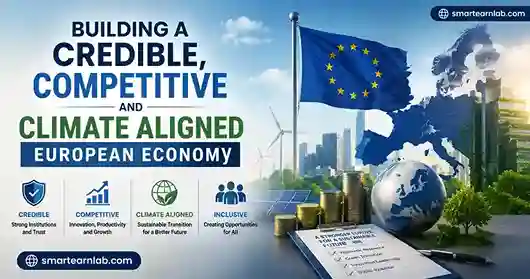
Europe’s transition to a climate-neutral economy depends on one fundamental principle public transition funds must accelerate decarbonization rather than extend fossil fuel dependence. Every euro invested in new fossil fuel infrastructure risks creating stranded assets or increasing long term public costs or delaying emissions reductions and weakening Europe energy independence.
Transition funding exists to transform economies not preserve outdated energy systems. As Europe seeks to meet its legally binding climate objectives while strengthening industrial competitiveness and energy security directing public finance toward fossil fuel expansion would undermine the very purpose of these funds.
This article explains why excluding fossil fuel expansion from European transition financing is economically, environmentally and strategically essential.
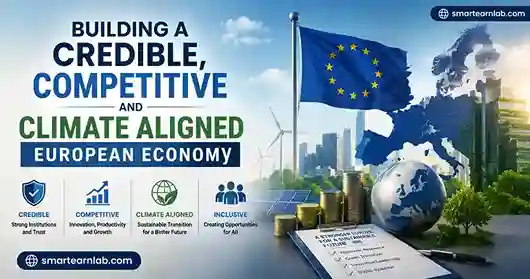
Why Transition Funds Exist
Transition funds were designed to support structural economic transformation.
Their objectives include:
• Accelerating renewable energy deployment
• Modernizing industrial production
• Supporting affected workers and communities
• Increasing energy efficiency
• Building resilient electricity infrastructure
• Promoting clean innovation
• Strengthening European competitiveness
These funds are intended to finance investments that remain valuable for decades not assets that may become obsolete long before their expected economic lifetime.
The Economic Risks of Financing Fossil Fuel Expansion
- Stranded Asset Risk
New fossil fuel infrastructure typically operates over several decades.
However Europe climate commitments require rapid emissions reductions well before these assets complete their economic lifespan.
This creates stranded assets investments that lose economic value because climate policy, technology or market developments reduce their usefulness.
Examples include
• Natural gas pipelines
• LNG terminals
• Coal infrastructure
• Oil storage facilities
• Fossil-powered industrial equipment
Public financing should reduce financial risk not create it.
Research and policy analysis increasingly warn that continued fossil investment increases exposure to transition-related financial instability. - Higher Long-Term Costs
Fossil fuel projects frequently require:
• Continuous fuel purchases
• Maintenance costs
• Carbon pricing compliance
• Pollution mitigation
• Import infrastructure
Renewable energy infrastructure generally require substantial upfront investment but significantly lower operating or costs over time.
Every delayed investment in renewable capacity postpones these long-term savings. - Public Money Should Create Future Value
Transition funds should maximize public return.
High-return investments include:
• Offshore wind
• Solar generation
• Electricity grids
• Battery storage
• Heat pumps
• Energy-efficient buildings
• Green hydrogen where appropriate
• Industrial electrification
These type of investments strengthen Europe productive capacity to reduce dependence on imported fuels.
Energy security requires less fossil fuel dependence after this.
Europe recent energy crises demonstrated us the vulnerability created by imported fossil fuel from them.
Fuel price shocks geopolitical conflicts as well as supply disruptions exposed structural weaknesses in Europe energy system.
Greater the deployment of renewable electricity can improve
• Energy independence
• Price stability
• Domestic production
• Supply resilience
The most recent European policies discussions continue to emphasize the electrification and renewable of infrastructure as the key to reducing import dependence and strengthening competitiveness.
Why New Gas Infrastructure Is Not a Transition Strategy
Natural gas can often been described as a transitional fuel.
While the existing gas infrastructure may continue playing most limited role during the transition expanding new fossil fuel capacity and raises serious concerns.
New gas infrastructure often involves:
• Multi decade investment horizons
• Methane leakage
• Carbon lock in
• Reduced incentives for renewable deployment
• Higher future decommissioning costs
Instead of accelerating decarbonization large scale fossil expansion can delay it.
The opportunity cost of the fossil fuel subsidies
Every euro allocated to fossil expansion is a euro unavailable for transformative investments.
Potential alternatives include:
Fossil Expansion Clean Transition Investment
LNG terminals Offshore wind
Gas pipelines Electricity grids
Fossil generation Battery storage
Oil infrastructure Heat pump deployment
Gas boilers Building renovation
Fossil extraction Green industrial innovation
Transition funding should prioritize investments that continue generating value under future climate policies.
Industrial Competitiveness Depends on Clean Energy
European industry increasingly competes on:
• Energy efficiency
• Low carbon production
• Clean manufacturing
• Innovation
• Resource productivity
Affordable renewable electricity can strengthen the industrial competitiveness by reducing long term energy costs.
Industries that are powered by renewable energy also become more and more attractive to investors seeking climate aligned supply chains.
Climate Goals Require Consistent Financial Signals
Investment markets respond to public policy.
If transition funds finance fossil expansion while climate legislation promotes emissions reduction or contradictory signals emerge.
Consistent policy encourages:
• Private investment
• Lower financing costs
• Faster innovation
• Technology deployment
• Market certainty
Policy coherence improves investment confidence across the European economy.
Preventing the carbon lock In
Carbon lock in occurs due to long lived infrastructures that make future emissions reductions more difficult.
Examples that include
• Fossil power stations
• Pipeline networks
• Gas heating systems
• Petrochemical facilities
Once these assets are built political and financial pressure often develops to keep them operating.
Avoiding unnecessary fossil expansion reduces future transition costs.
Supporting Workers Through a Just Transition
Transition policy must prioritize people.
Communities historically dependent on fossil fuel industries require:
• Skills development
• Workforce retraining
• Economic diversification
• Regional investment
• Small business support
• Infrastructure modernization
Transition funding should help workers move toward growing industries rather than prolong dependence on declining sectors.
Strengthening Europe’s Energy Infrastructure
Instead of fossil expansion, Europe benefits from accelerating investment in:
Renewable Electricity
• Wind
• Solar
• Hydropower
• Sustainable geothermal where appropriate
Modern Electricity Networks
• Smart grids
• Cross border interconnections
• Digital grid management
Energy Storage
• Utility batteries
• Pumped hydro
• Long duration storage technologies
Industrial Electrification
• Electric furnaces
• Green hydrogen applications
• Process modernization
Building Efficiency
• Deep renovation
• Heat pumps
• Smart heating systems
• Efficient insulation
These investments permanently reduce fossil fuel demand.
Financial stability and climate risk
Financial regulators are increasingly recognise climate change as a systemic financial risk.
Large exposures due to fossil assets may increase:
• Credit risk
• Market risk
• Insurance losses
• Infrastructure losses
• Fiscal liabilities
Aligning the transition funds with long term climate objectives reduces these systemic risks while supporting financial resilience.
Principles for the effective transition funding
A robust transition funding framework should include:
- No financing for new fossil fuel expansion.
- Priority for the renewable energy projects.
- Investment in the resilient electricity infrastructure.
- Strong support for the affected workers and regions.
- Transparent project evaluation.
- Climate impact essessment.
- Long term economic resilience.
- Protection against the stranded assets.
- Public accountability.
- Alignment with European climate objectives.
Benefits of Excluding Fossil Fuel Expansion
Keeping fossil fuel expansion outside transition funding delivers multiple advantages:
• Greater investor confidence
• Lower long term public expenditure
• Reduced exposure to volatile fuel markets
• Improved energy independence
• Faster emissions reductions
• Stronger industrial competitiveness
• Increased renewable deployment
• Better public health outcomes through lower pollution
• Greater financial stability
• More effective use of taxpayer resources
The Path Forward
Europe transition funds can represent one of the continent most powerful and reliable policy instruments for shaping the best economy of the coming decades. Their effectiveness would depends on directing capital toward the investments that are strengthen resilience and accelerate innovation and deliver lasting economic value to us.
Financing new fossil fuel expansion would dilute these objectives by locking in carbon intensive infrastructure or can be increasing long term financial risks and diverting scarce public resources from technologies that are enhancing competitiveness and energy security. By prioritising renewable energy and grid modernisation and industrial decarbonization or the energy efficiency and workforce transition Europe can ensure that every public investment supports a cleaner and more resilient and more prosperous future.
A successful transition is not just defined by prolonging dependence on fossil fuels but it is defined by building an energy system capable of delivering affordable secure and sustainable growth for generations to come.
FAQs
What is a side hustle?
A side hustle is a way to earn extra income alongside your regular job or the studie.
What are the best side hustle from home?
Freelancing, online tutoring or blogging, affiliate marketing and the selling digital products are popular options.
Can i start a side hustle with no money?
Yes many side hustles such as freelance writing or virtual assistance and the require little or no upfront investment.
How much can i earn from a side hustle?
Your earnings depend on the type of work your skill and the time you invest.
Which side hustle is best for beginner?
Freelancing, online surveys or virtual assistance and content writing are great choice for beginners.
