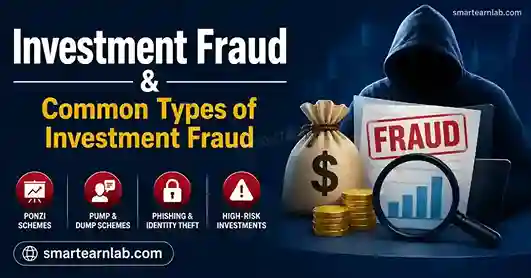
The people who watch over investments in each state were asked what they think are the threats to investors. They were asked to pick the five things that are most likely to cause problems for investors. The things that were mentioned the most by these people are listed below.
Before you put your money into anything the Department of Financial Institutions or DFI wants you to make sure that both the investment and the person selling it to you are registered and licensed in Washington. You can do this by calling DFI at 360-902-8700 or 1-877-RING DFI.
Promissory Notes
When interest rates are low some investors might be tempted by promises of interest rates from promissory notes. This is especially true for people and those who live on a fixed income.
A promissory note is a written promise to pay back an amount of money at a certain time. These notes usually pay interest either before they are due or when they are due. Companies sell these notes to raise money. They are usually only sold to big investors.. Some promissory notes are sold to regular people.
These notes have to be registered with the government and the people selling them have to be licensed. Most promissory notes that are sold to the public have to be sold by people who have the license. Notes from companies can be a good investment but some promissory notes are fake. Investors should be careful with notes that are only for a short time like nine months or less.
These short-term notes are often used for investments. They might promise high returns but they are usually not legitimate. If an investment seems good to be true it probably is.
Ponzi/Pyramid Schemes
A Ponzi is scheme is a type of fake investment where the people running it and use money from new investors to pay to the old investors. This scheme is named after a man named Charles Ponzi who did this in the 1920s.
He promised investors that they all would get 40 percent returns on their investment It was all a lie. In a Ponzi scheme there is usually no investment, just a bunch of people giving money to the person running the scheme. Eventually the scheme falls apart. The investors lose their money.
A pyramid scheme is similar. It involves recruiting new investors to join the scheme. The people running the scheme make money by getting new investors to join than from any real investment. This type of scheme is also fake. It will eventually fall apart.
Real Estate Investments
Some people think they can make money by investing in real estate.. This type of investment can be risky and there are many scams out there.
The government warns investors to be careful of seminars that promise money from real estate investments. These seminars might have people who claim to have made a lot of money from estate but it might all be a lie.
There are two types real estate investment which are often used for scams hard money lending and property flipping. Hard money lending is when a person or company lend money to someone who wants to buy a property. The loan is not from a bank. Property flipping is when someone buys a property fixes it up. Then sells it for a profit.
Scammers might use these types of investments to trick people out of their money. They might promise returns but the investment might be fake. Investors should be careful. Do their research before putting their money into any investment.
Cryptocurrency Related Investments
In 2017 cryptocurrencies like Bitcoin became very popular. Some people made a lot of money from them.. There are also many scams out there that use cryptocurrencies.
Before you invest in cryptocurrencies you should be careful. Some of these investments might be fake. You could lose all of your money. The government does not regulate cryptocurrencies in the way that it regulates other investments so it can be easier for scammers to trick people.
Social Media/Internet Investment Fraud
The internet and social media make it easy for people to connect with each other. They also make it easy for scammers to find victims. Scammers might use media to promote fake investments and they might use the information that people post online to trick them.
To avoid being scammed you should be careful of investments that promise returns with no risk. You should also be wary of investments that are based in countries or that require you to open a special account to transfer money. If an investment seems good to be true it probably is.
Some things to watch out for include:
- Promises of returns with no risk. Many online scams promise high short-term profits.
- Offshore operations Many scam are headquartered in countries that are making it harder for regulators to shut them down.
- E-Currency sites. If you have to open an account to transfer money use caution.
- Recruiting your friends. Most scammers will offer bonuses if you recruit your friends to join the scheme.
- Professional websites with little to no information. Scam websites might look professional. They often do not provide much information, about the company or the investment.
• Be careful when someone does not give you any written details about an investment. Online scam artists often do not provide a document that explains the risks of the investment and how to get your money back.
Beware of Social Media Investment Scams
Scam artists use media to gain your trust quickly and trick you into fake investments.
If someone sends you a message on media about an investment opportunity you should be careful. Always check if they are genuine and do a lot of research before sending any money.
Warning Signs It’s A Scam
• They promise you will get a lot of money with no risk.
Many online scams promise you will get a lot of money in a time. If someone promises you will get two percent return every day fourteen percent return every week or forty percent return every month it is likely to be false. Remember that if you want to get a lot of money you have to take some risk.
• They are based in another country.
Many of the scams are based in another country which make it harder for the authorities to stop the scam and get the investors money back.
• They ask you to use currency sites.
If you have to open an online currency account to send money you should be careful. These sites may not be. The scam artists use them to hide the money trail.
• They ask you to invite your friends.
Most scam artists will offer you a bonus if you invite your friends to join the scheme.
• They have looking websites with little information.
These days anyone can create a website. Scam websites may look professional. They do not provide much information about the company, its location or the investment details.
• They do not give you any written information.
Online scam artists often do not provide a document that explains the risks of the investment and how to get your money back.
How we Protect Yourself
• Contact the Department of Financial Institutions before investing.
Before you invest any money contact the Department of Financial Institutions to learn more about the person selling the investment and the status of the investment. You can check if they have a license on the website www.dfi.wa.gov or call 1.877.RING DFI.
• Keep your information safe.
Many website do allow you to choose how personal information we want to share with others You should adjust your privacy settings. Think twice before sharing your personal information online.
• Research the. Companies involved in the investment.
The internet makes it easy for scam artists to hide their identity. You should search for the name of the person offering you the investment and the companies involved. If you do not find information it may be a sign that they are using fake names or hiding their identity.
• Be careful of testimonials from investors.
Scam artists often pay some investors a lot of money to convince others to invest. This type of scam is called a Ponzi scheme. When scam artists target a group of people with interests it is called affinity fraud.
• Ask for a document that explains the investment.
You should ask for a written document that explains the risks of the investment and how to get your money back.
• Do not trust the salesperson.
You should not feel pressured to invest. Take your time to research the investment and remember that if it sounds too good to be true it probably is.
What Is Affinity Fraud?
Affinity fraud is a type of investment scam where scam artists target people who’re part of a group they trust such as a church or a club. They use this trust to convince people to invest in investments.
Warning Signs
• They offer investments that’re only available to group members.
• They use the trust and loyalty of the group to convince people to invest.
• They promise returns with little risk.
• They pressure you to invest or keep it a secret.
• The person selling the investment is not licensed.
• There is no documentation or registration.
How we Protect Ourself
• Verify the seller license even if you trust them.
• Research the investment before investing.
• Ask for documentation and investment details.
• Be careful of investments that’re only available to group members.
• Do not rush into investments because of pressure.
FAQs
What is investment fraud?
Investment fraud is a scam that trick people into the investing money through false or the misleading promises.
What are the most common type of investment fraud?
Common types include Ponzi schemes or the pyramid schemes, pump and the dump scams and fake investment opportunities.
How can i identify an investment scam?
Be cautious of guaranteed high returns, pressure to invest quickly and the unregistered investment offers.
How can i protect myself from investment fraud?
Research every investment, verify the company and never invest without understanding the risks.
What should i do if i suspect investment fraud?
Stop sending money immediately and report the scam to your local financial regulator or law enforcement agency.
